Project reporting is a vital communication process in construction, ensuring that all stakeholders stay informed about progress, challenges and forecasts. It serves as the bridge connecting on-site activities with strategic management and client expectations. Transparent and timely reporting builds trust fosters accountability and supports informed decision-making throughout the project lifecycle.
The main purpose of project reporting is to provide a clear, concise update on where the project stands relative to planned objectives such as schedule, cost and scope. Reports highlight achievements as well as issues needing attention, allowing stakeholders to make timely decisions. Reporting also creates a documented record that helps in maintaining accountability and facilitates future project learning.
Common reporting methods include regular written progress reports, usually weekly or monthly that summarize completed tasks, upcoming work, risks and key performance indicators (KPIs). These documents ensure everyone involved has consistent, updated information. Alongside written reports, progress meetings offer interactive opportunities for discussion, clarification and aligning teams in the next steps.
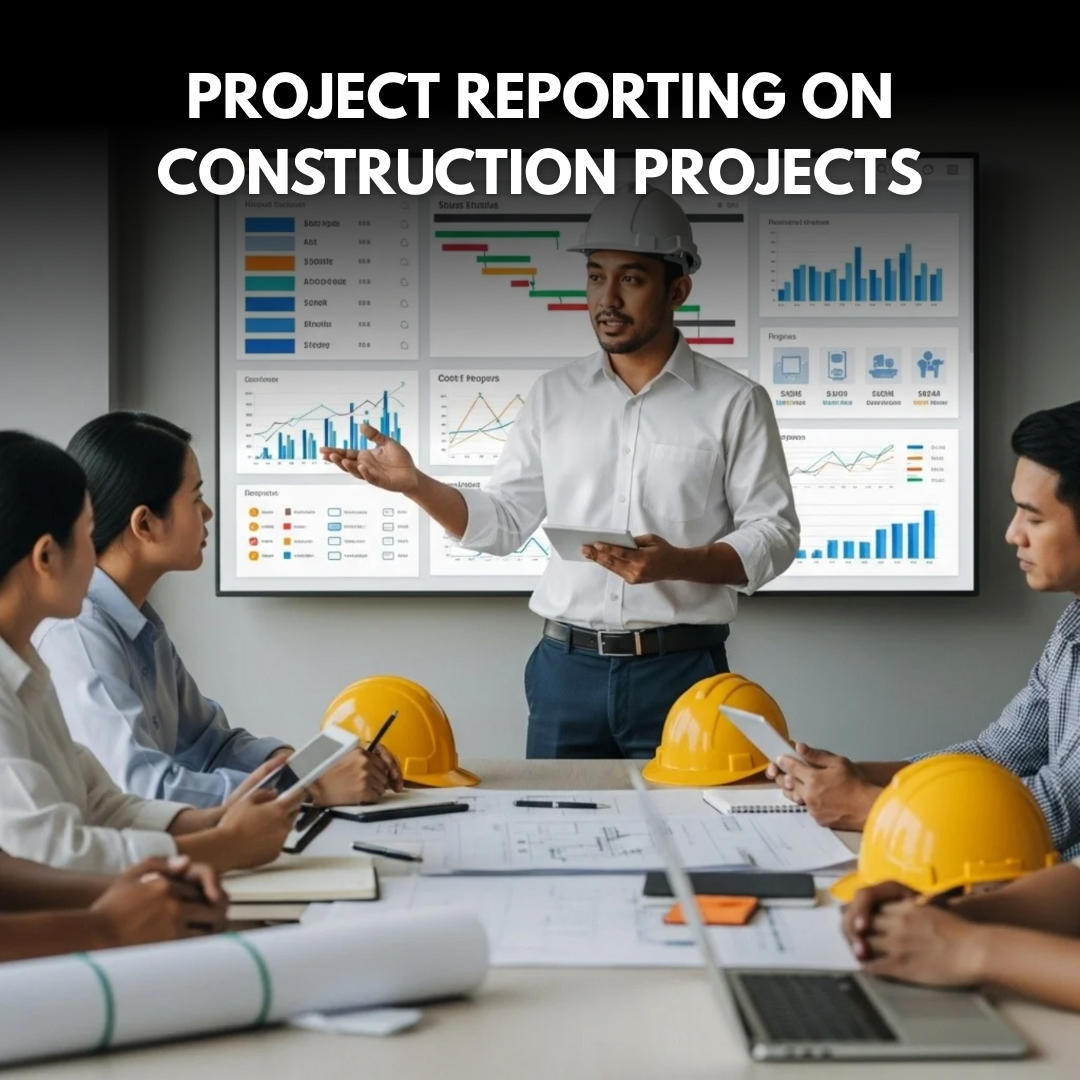
Visual reporting through dashboards and charts enhances understanding by translating complex data into intuitive graphics. Using tools like Power BI or Tableau, project managers can generate dynamic visualizations that keep stakeholders engaged and informed. Specialized reports such as exception reports focus on critical deviations, while milestone reports celebrate key project achievements.
Technology plays a crucial role in easing the reporting process. Project management software like Microsoft Project integrates scheduling with automated report generation, saving time and reducing errors. Communication platforms streamline distribution, ensuring reports reach the right audience promptly.
While reporting drives transparency and decision-making, preparing clear and relevant reports can be challenging. Balancing detail to avoid overwhelming the audience and ensuring reports are jargon-free requires skill. Also, adopting sophisticated tools may have associated costs and learning requirements.
Ultimately, project reporting is more than a routine task; it is a strategic communication function vital for project success. By providing accurate, timely information, reporting nurtures collaboration and empowers stakeholders to guide the project confidently. Enhancing reporting practices is a valuable goal for any construction professional aiming to improve project outcomes.